
Next events
European Conference on Fracture 2024
August 24 – 30, 2024. Zagreb, Croatia
Abstract submission: November 1, 2023 ~ March 15, 2024
Notification on abstract: April 15, 2024
Early registration: May 31, 2024

ECF24 Office Email: ecf24@fsb.hr
ECF24 Chair Prof.dr.sc. Željko Božić
Phone: +385 1 6168536
Mobile: +385 98 1863915
Fax: +385 1 6156940
Email: zeljko.bozic@fsb.hr
Faculty of Mechanical Engineering and Naval Architecture
Ivana Lucica 5, 10000 Zagreb, Croatia

In order to register for the participation at the ECF24 Conference please visit this page on ECF24 website.
Welcome to our news section, where you can stay up-to-date with the latest happenings from ESIS.
News from ESIS

The 8th International Conference on Crack Paths (CP 2024) is organised by TC3 Fatigue of Engineering Materials and Structures of the European Structural Integrity Society (ESIS) and by the Italian Group of Fracture (IGF). The CP 2024 edition will take place in Rimini, Italy and online (10 - 12 September 2024). Main Topics of[...]
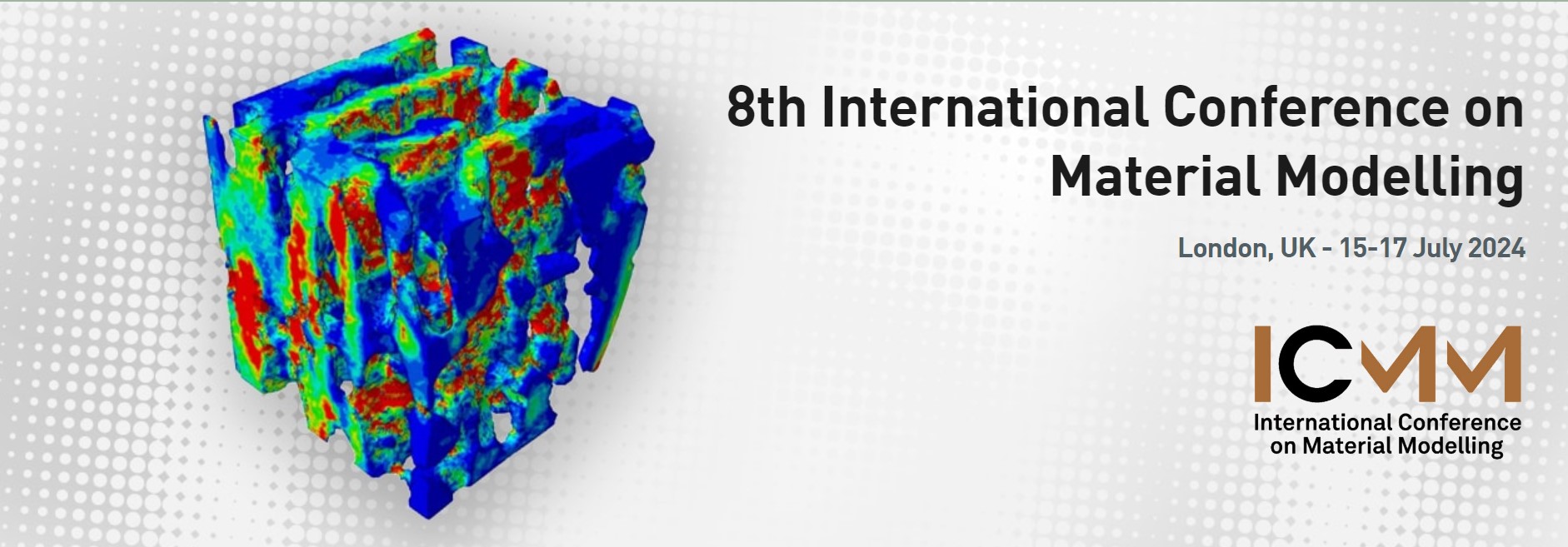
TC14: July 15-17, 2024. 8th International Conference on Material Modelling ICMM8, London UK Aim and scope Material modelling has become a field of high scientific importance in the last decades. Although there are many workshops, meetings, colloquia, etc. on specific materials and particular applications, an ICMM conference series is the only one dedicated to[...]
9th International Conference on Fracture of Polymers, Composites and Adhesives 24-27 March 2024 | Eurotel Victoria, Les Diablerets, Switzerland We look forward to meeting you again in-person at the 9th International Conference on Fracture of Polymers, Composites and Adhesives which will take place from 24-27 March 2024, at the Eurotel Victoria, Les Diablerets, Switzerland. Organized[...]
In this section you will find a shortcut to all ESIS services
ESIS services
Technical Committees
ESIS TC work on different aspects of Structural Integrity matters.Technical Committees
They are the most important part of the ESIS organisation. Their activities are supported by ESIS. The strength of each TC is indicated by the number and scientific quality of Committee members together with their output in terms of reports, recommendations, procedure documents, etc.
Procedia Structural Integrity
Procedia Structural Integrity is an open access product.ESIS has individual, organisational and corporate memberships. Members may register as individual members (Individual registration) or as part of a group membership from a named industrial, commercial, research, or educational organisation by payment of the annual fee (Corporate or National Committees registration).

The ExCo that is instructed by and responsible to a Council of delegates representing each European and non European Country (or Group of Countries) affiliated to the Society,
ESIS Executive Committee
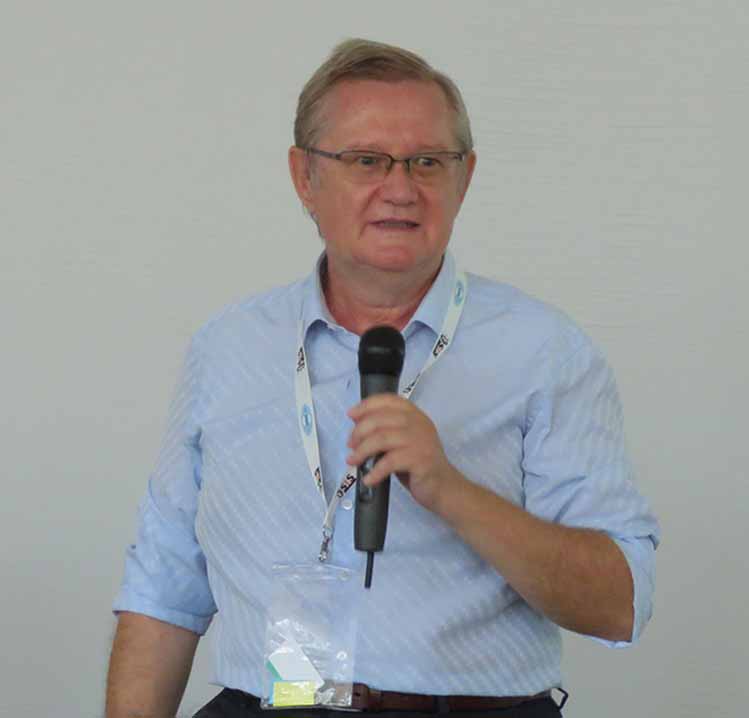
President
Aleksandar Sedmak

Web Activities
Francesco Iacoviello
Vice President
Liviu Marsavina

Vice President
Filippo Berto